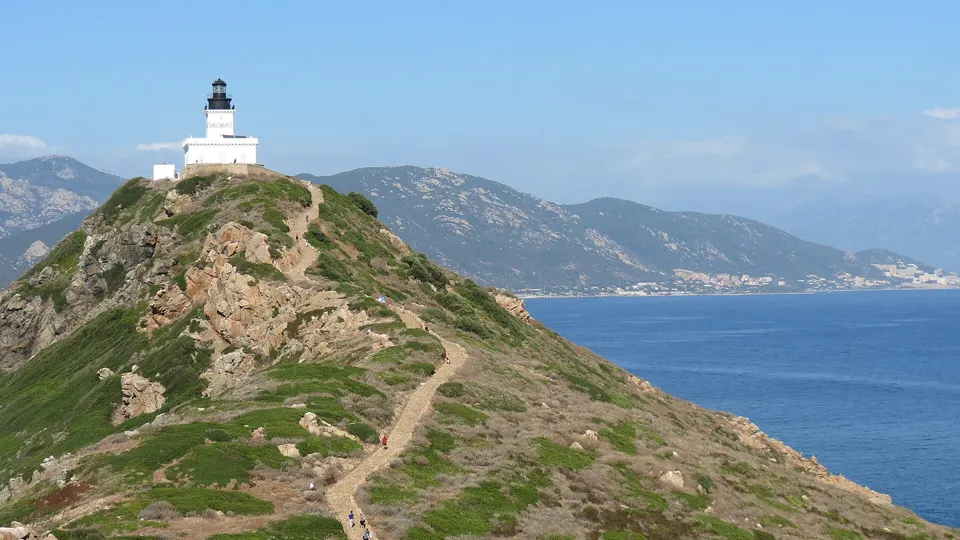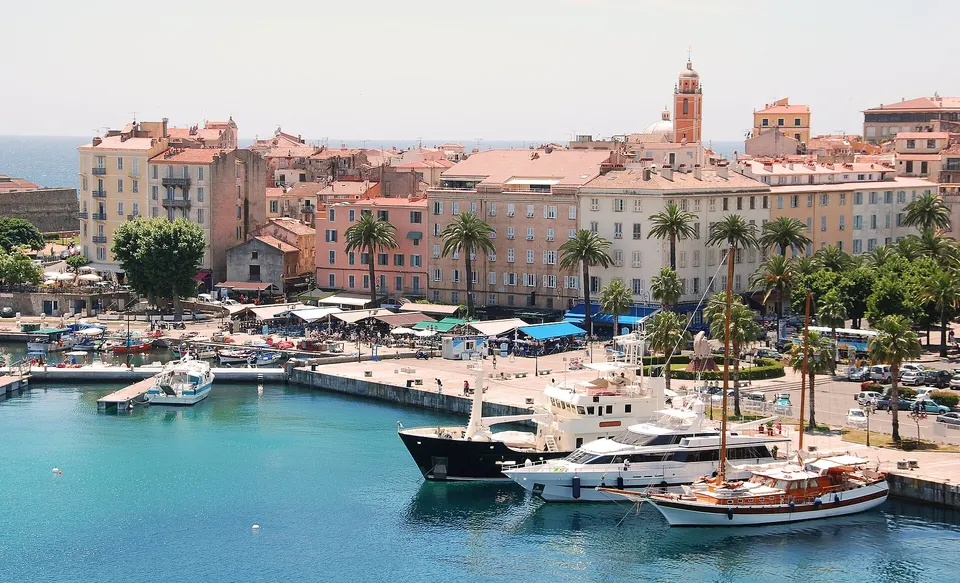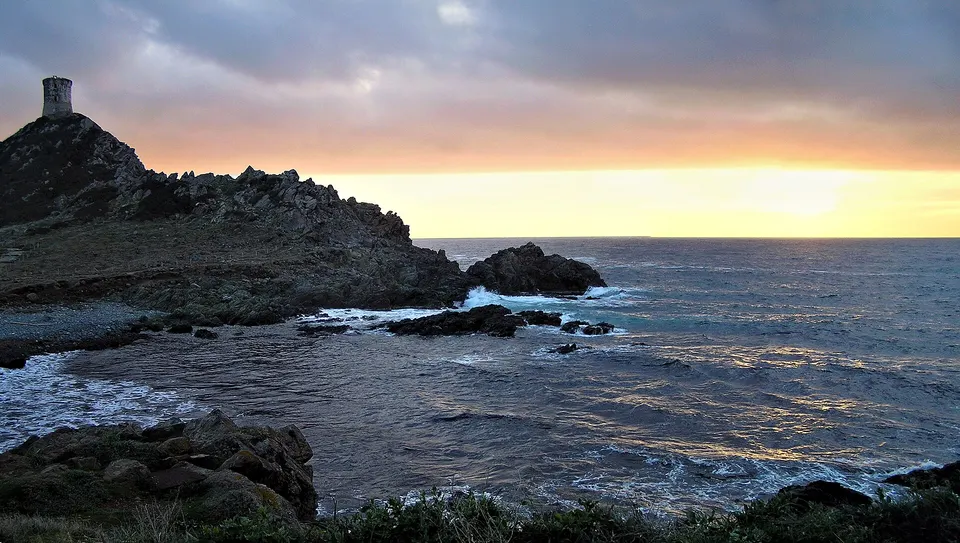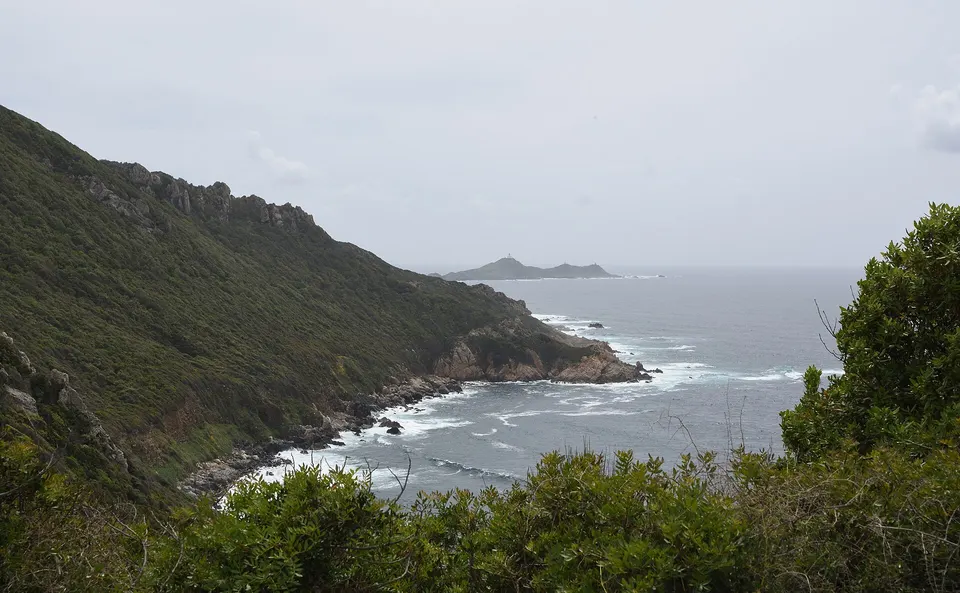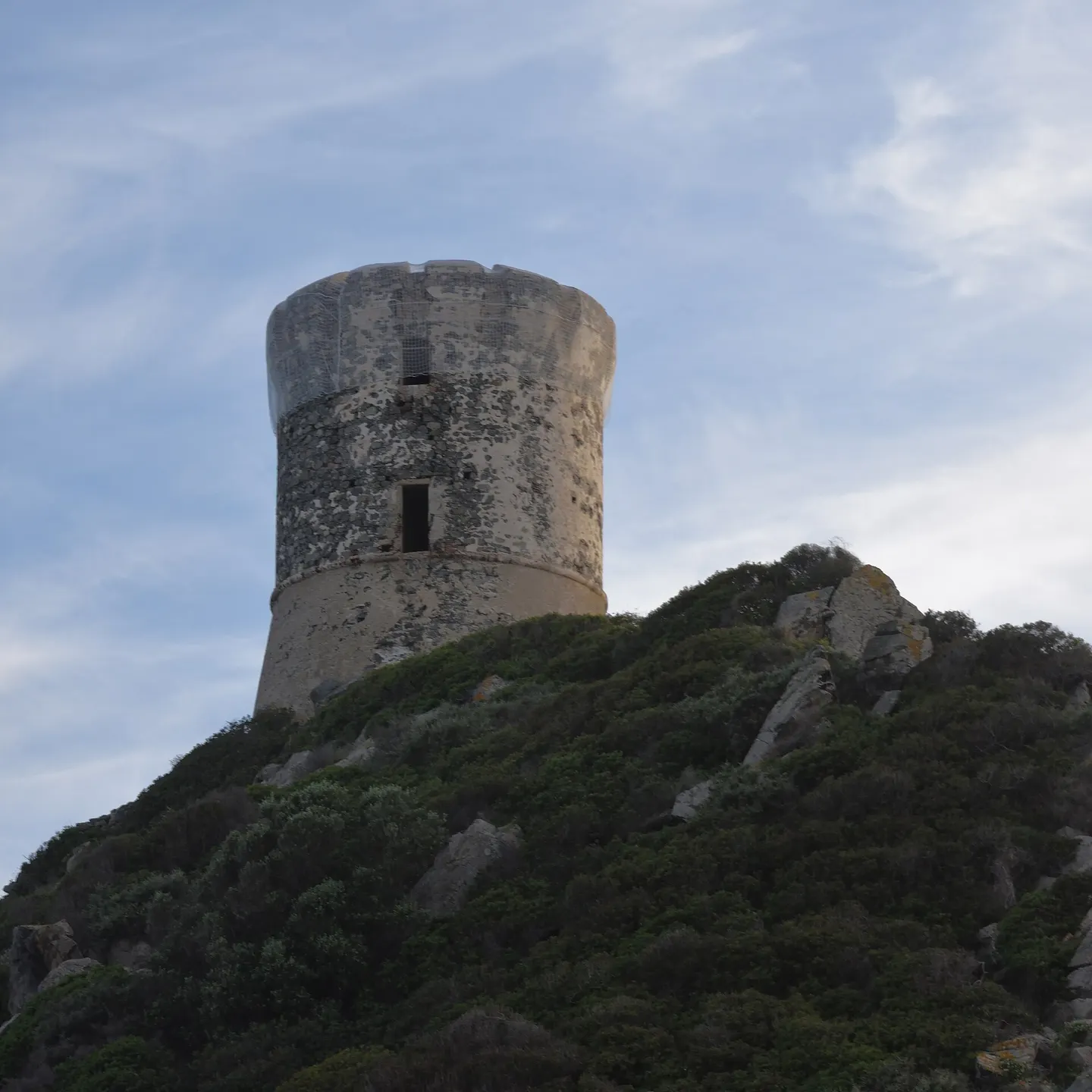
The history of the Sanguinaires comes down to a few dates: the Parata tower, built in 1550-1551 against Barbary raids; a second tower on Mezzu Mare, demolished in the 19th century for the lighthouse; a quarantine lazaret for coral fishermen in 1806; the signal station in 1865; the current lighthouse in 1870, where Alphonse Daudet stayed. Sold in 1959 to a property company that wanted to develop them, the islands were eventually protected and the site awarded the Grand Site de France label in 2017.
Key facts
- Name: crimson sunset light, red sea heath, or an old name linked to Sagone.
- 1550-1551: the Parata tower, one of 90 Genoese towers in Corsica.
- 1806: lazaret for coral fishermen; 1865: signal station; 1870: current lighthouse.
- 1959: housing and cable car project abandoned; 2017: Grand Site de France label.
Key dates
| Date | Event |
|---|---|
| 1550-1551 | Parata tower, by the Genoese mason Giacomo Lombardo |
| 1590 | the “sea” tower on Mezzu Mare |
| 1770 | the Castellucio tower appears on the land-registry map |
| 1806-1807 | the Mezzu Mare lazaret is built |
| 1838 | the Parata peninsula passes from the War Ministry to the town of Ajaccio |
| 1844 | first lighthouse, replacing the Genoese sea tower |
| 1865 | the signal station enters service |
| 1870 | current lighthouse |
| 1954 | Saint-Antoine chapel at the entrance to the peninsula |
| 1959 | the islands are sold to a property company |
| 1985 | the lighthouse is automated, the last residents leave |
| 2017 | Grand Site de France label |
Where the name comes from
Several explanations circulate. The most poetic: the crimson light that bloodies the rocks just before sunset. The most botanical: sea heath, a small plant whose leaves turn bright red in autumn. Another theory points to the Gulf of Sagone: a 1595 map speaks of « Sagonares insulae », the islands that announce Sagone. But Ortelius was already writing « Sangianare isole » in 1573 and 1584.
The Genoese towers
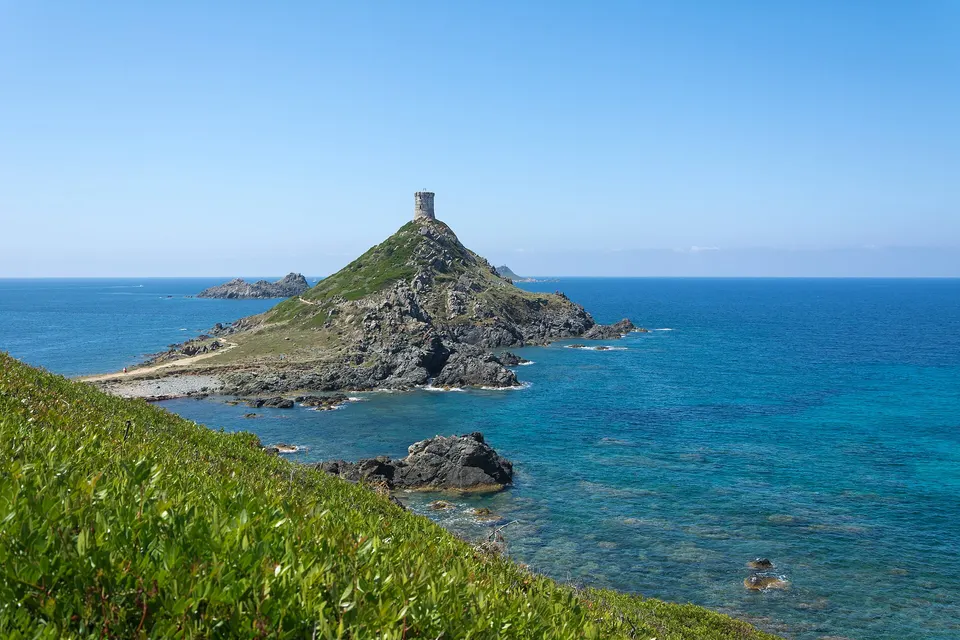
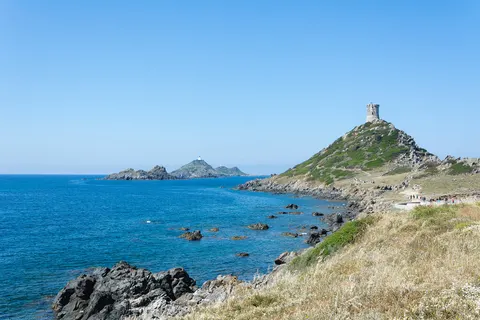
The Parata tower is one of some 90 Genoese towers built to defend the Corsican coast against Barbary raids. Its Genoese name, Sanguinara di terra, set it against the “sea” tower on Mezzu Mare, built in 1590. Three guards manned the first, five the second. The sea tower was demolished to build the lighthouse; the Parata tower, restored in 2025-2026, can be reached on foot from Parata Point.
Coral fishermen, the lighthouse and Daudet
In 1806, Mezzu Mare became a health station: the lazaret quarantined coral fishermen returning from Africa for forty days, against plague and cholera. It only operated for nine years. The lighthouse followed in 1844 and was rebuilt in 1870. Alphonse Daudet stayed there in 1863; his story « Le Phare des Sanguinaires », published in Le Figaro on 22 August 1869, describes the keepers’ life. Details on the Mezzu Mare page.
A site saved
In 1959, the islands were sold to a property company that planned to build on them and link them to La Parata by cable car. The project failed. The site joined the Grands Sites de France network in 2008 and received the label in 2017. Saint-Antoine chapel, built in 1954 by Franciscans for the nearby military air base, no longer holds services.
Book a trip
A guided trip to the archipelago
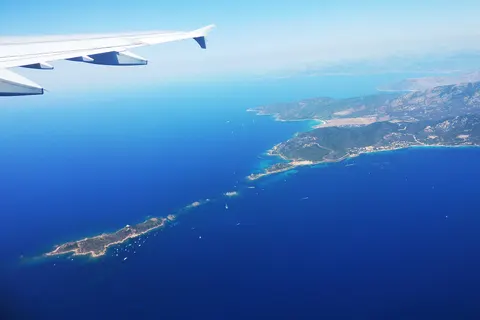 PopularFrom Ajaccio: Sanguinaires Islands Boat Trip With Aperitif2.5 hours★ 4.7 (885 reviews)from €50Check availability
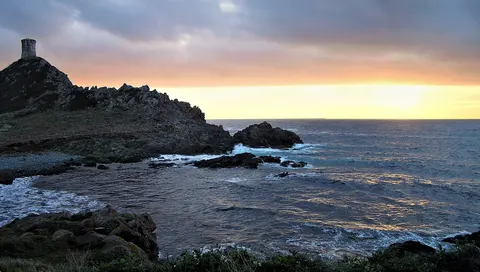 PopularMagic Sanguinaires Sunset from Ajaccio/Porticcio : Aperitif2.5 - 3 hours★ 4.8 (1646 reviews)from €50Check availability
 Ajaccio: The Sanguinaires Islands Discovery Brunch3 hours★ 4.5 (25 reviews)from €90Check availability
"From" prices checked on 9 November 2026 and may have changed.
Affiliate links: IlesSanguinaires.com earns a commission if you book, at no extra cost to you. "Show live prices" loads the GetYourGuide module, which sets its own cookies (learn more (in French)).
Frequently asked questions
Why are the islands called the Sanguinaires?
Wikipedia lists several theories: the crimson light that bloodies the rocks at sunset, the red colour of sea heath (Frankenia laevis) in autumn, or an old name linked to the Gulf of Sagone (« Sagonares insulae » on a 1595 map). An Ortelius map of 1584 already calls them « Sangianare isole ».
Did Daudet really go to the Sanguinaires?
Yes. The Grand Site says Alphonse Daudet stayed on the Great Island in 1863. His story « Le Phare des Sanguinaires » appeared in Le Figaro on 22 August 1869, then in Letters from My Windmill.
Sources
Information checked against the sources below. Timetables and prices change: confirm before you go.
- Wikipedia (French), Sanguinaires archipelago, accessed 9 November 2026
- Wikipedia (French), Le Phare des Sanguinaires (Daudet), accessed 9 November 2026
- Grand Site, the Parata tower (in French), accessed 9 November 2026
- Grand Site, the Sanguinaires lighthouse (in French), accessed 9 November 2026
- Grand Site, the lazaret (in French), accessed 9 November 2026
- Grand Site, Saint-Antoine chapel (in French), accessed 9 November 2026