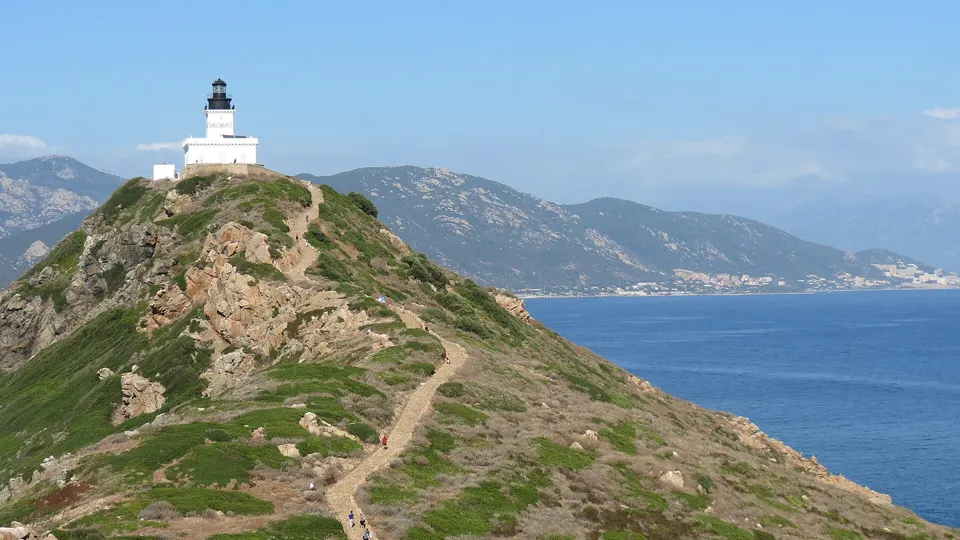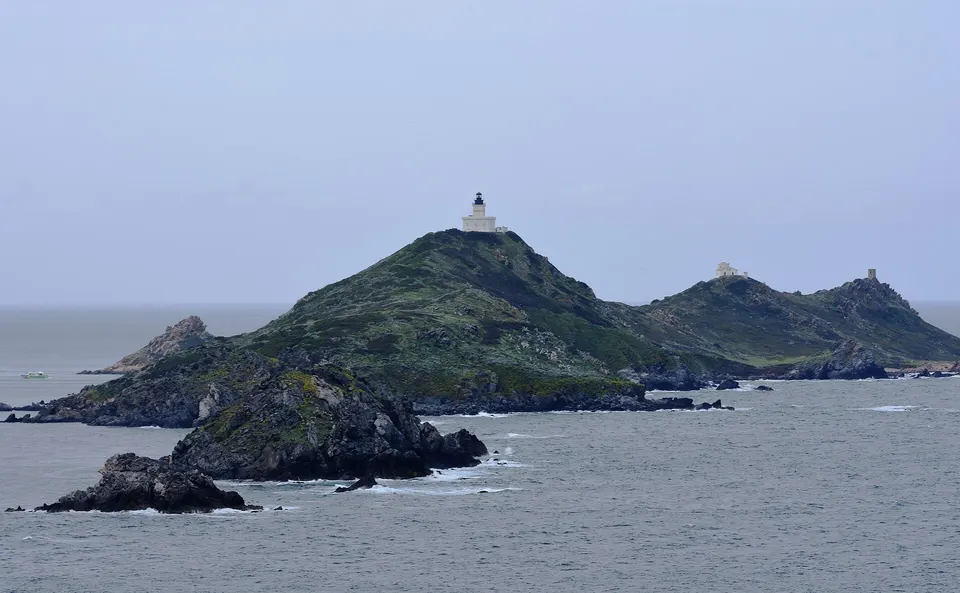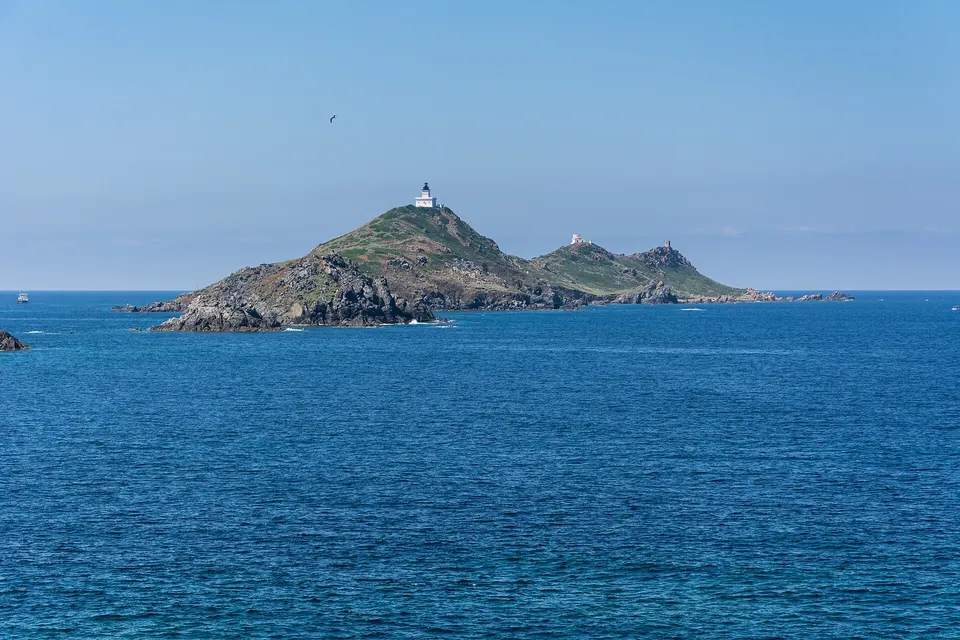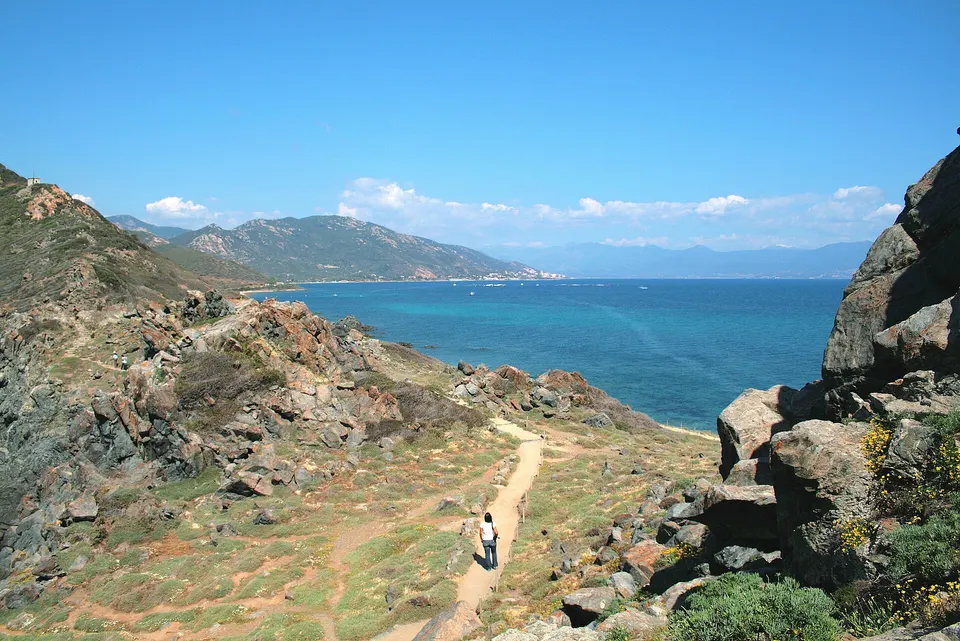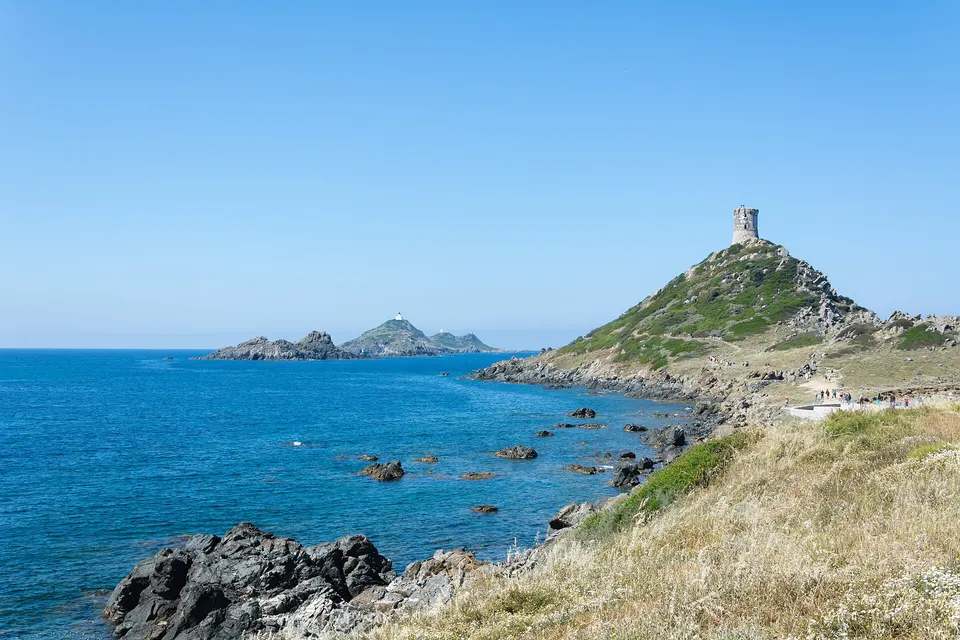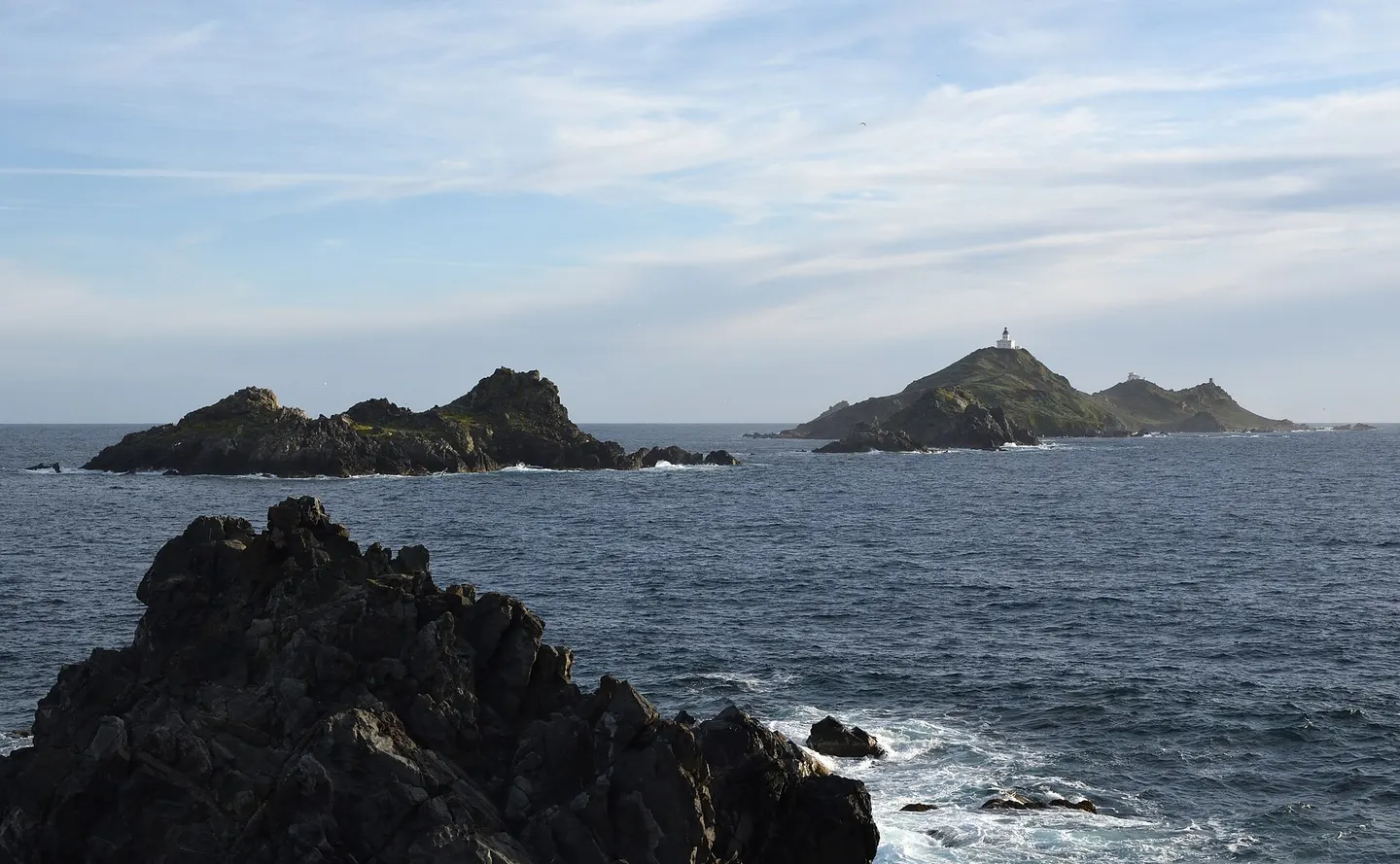
The seabed around the Sanguinaires, a Natura 2000 site, alternates between seagrass meadows, rocks and ledges of coralline algae just at the waterline. For scuba diving, the Grand Site points to three Ajaccio clubs: E Ragnole, Isula Plongée and Voce Mare. For snorkeling, you swim during the stop on Mezzu Mare or on trips with a swim stop (from €60). Without getting wet, a hydrofoil with an underwater bubble leaves Ajaccio (from €40, 4.5 out of 5 from 157 reviews).
Key facts
- Clubs listed by the Grand Site: E Ragnole, Isula Plongée, Voce Mare.
- Snorkeling: during the Mezzu Mare stop or on trips with a swim stop.
- Seagrass meadows: never anchor in them, they are the fish nursery.
- Natura 2000 site « Îles Sanguinaires, La Parata, golfe de Lava ».
The options
| Activity | Where | For whom | Price checked |
|---|---|---|---|
| Snorkeling during the stop | Mezzu Mare | confident swimmers | included in the shuttle (from €36) |
| Trip with a swim stop | around the islands | families | from €60 |
| Hydrofoil with underwater bubble | Gulf of Ajaccio | without getting wet | from €40 |
| Scuba diving | sites around the archipelago | try dive or certified | with the clubs |
Prices checked on 9 November 2026 with Nave Va and GetYourGuide.
What lies beneath
The Grand Site describes three habitats:
- Posidonia seagrass, a flowering plant that forms meadows down to 40 m. It grows about 1 cm a year, shelters young fish and slows the waves. Its dead leaves, piled up on beaches, protect the sand.
- Coralline algae (Lithophyllum), fully calcified pink or purple algae that form a ledge where water meets air. They are among the first threatened by rising seas.
- Porphyry rocks, the underwater continuation of the islands.
Diving with a club
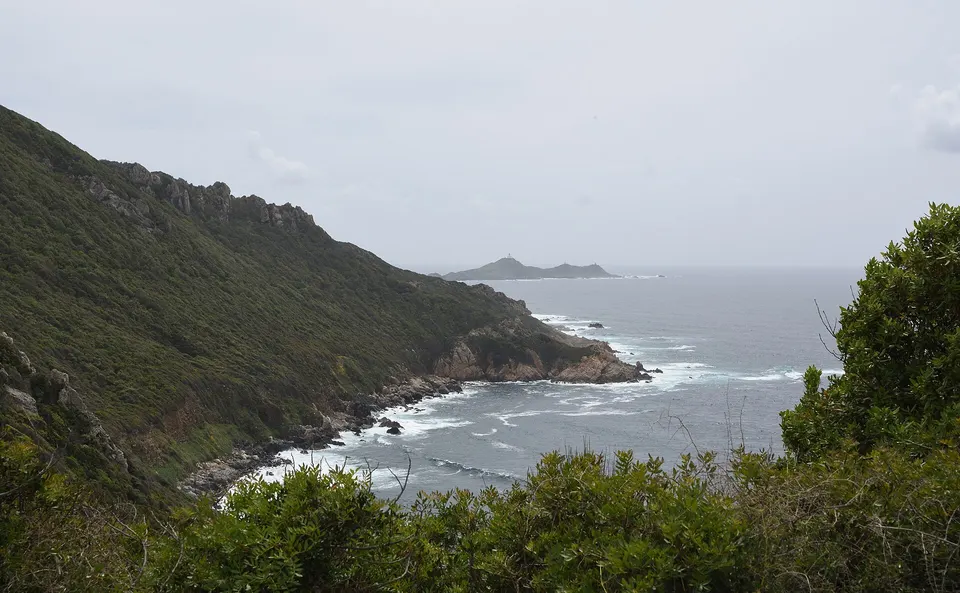
The Grand Site refers visitors to three Ajaccio clubs: E Ragnole, Isula Plongée and Voce Mare. They run try dives and explorations around the archipelago; ask them which sites are diveable given the weather and your level.
Good practice
Do not drop anchor in seagrass, do not walk on the coralline ledges, take nothing. The archipelago is a Natura 2000 site (Habitats directive and a special protection area for birds). To explore on the surface, see kayak and paddle; for the island stop, Mezzu Mare.
Book a trip
See the seabed at the Sanguinaires
 Ajaccio: Hydrofoil cruise tour with underwater bubble2 hours★ 4.5 (157 reviews)from €40Check availability
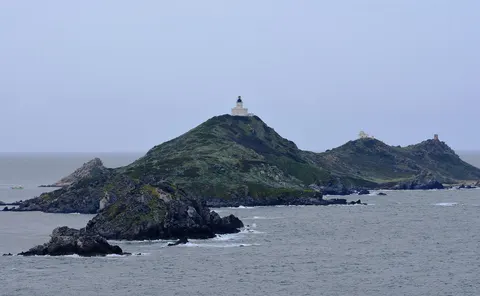 Tour of the Sanguinaires Islands : stop for a swim2 hours★ 4.7 (34 reviews)from €60Check availability
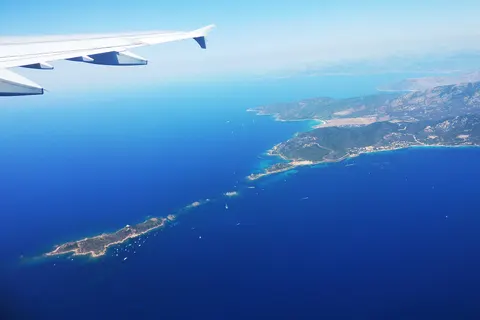 PopularFrom Ajaccio: Sanguinaires Islands Boat Trip With Aperitif2.5 hours★ 4.7 (885 reviews)from €50Check availability
"From" prices checked on 9 November 2026 and may have changed.
Affiliate links: IlesSanguinaires.com earns a commission if you book, at no extra cost to you. "Show live prices" loads the GetYourGuide module, which sets its own cookies (learn more (in French)).
Frequently asked questions
Can you snorkel at the Sanguinaires?
Yes, during the stop on Mezzu Mare or on trips that include a swim stop. There are no lifeguards: stay close to the shore and the boats.
Which dive clubs go to the Sanguinaires?
The Grand Site lists three Ajaccio clubs: E Ragnole (+33 4 95 21 53 55), Isula Plongée (+33 4 95 52 06 39) and Voce Mare (+33 4 95 52 09 37). Ask them about sites and levels.
What is Posidonia seagrass?
A flowering plant (not a seaweed) that forms meadows between 0 and 40 m deep, grows only about 1 cm a year and exists only in the Mediterranean. It shelters and feeds many fish, according to the Grand Site.
Sources
Information checked against the sources below. Timetables and prices change: confirm before you go.
- Grand Site of the Sanguinaires Islands, the marine environment (in French), accessed 9 November 2026
- Grand Site, nearby activities: dive clubs, rentals (in French), accessed 9 November 2026
- Grand Site, a Natura 2000 site (in French), accessed 9 November 2026
- GetYourGuide widget, hydrofoil and swim-stop trips (prices, ratings), accessed 9 November 2026
- Nave Va, Sanguinaires trip: swimming during the stop (in French), accessed 9 November 2026